
Port Aransas Fishing: A First-Timer's Guide to Inshore Charters
Your First Inshore Charter Awaits
Fish the Texas Coast with Captain Brad - book your Port Aransas trip today!
Published:
Updated:
The boat slows down, the motor drops to a murmur, and Captain Brad points toward a stretch of shallow water that looks like nothing special to the untrained eye. A first-time angler picks up a rod, gets a quick word on how to make the cast, and lets the bait sail toward that spot. That moment, the one right before the first bite, is what an inshore charter in Port Aransas is built around.
If you have never booked a guided fishing trip before, the process can feel like a black box. What do you bring, who does what, and what counts as inshore anyway? This guide walks through all of it, so your first charter feels familiar before you even step on the boat.
What Inshore Fishing Actually Means
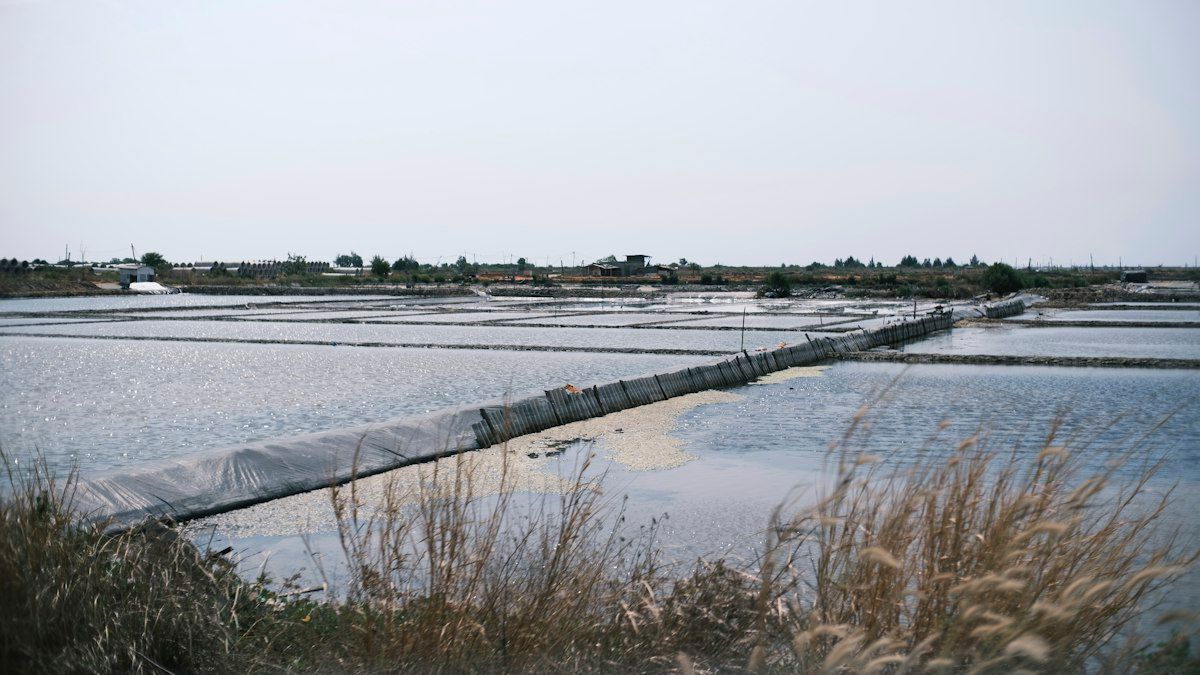
Inshore fishing happens in the sheltered, shallow waters near the coast rather than out in the open Gulf. Think bays, flats, and oyster reefs. The water is calmer, the runs between spots are shorter, and more of your day goes to actual fishing instead of travel.
Offshore fishing is a different animal. It means heading far out for deep-water species, usually with bigger boats, longer runs, and rougher conditions. Both are worthwhile, but inshore is the gentler starting point. For a first charter, the smaller scale and slower pace give you time to learn without feeling rushed or tossed around.
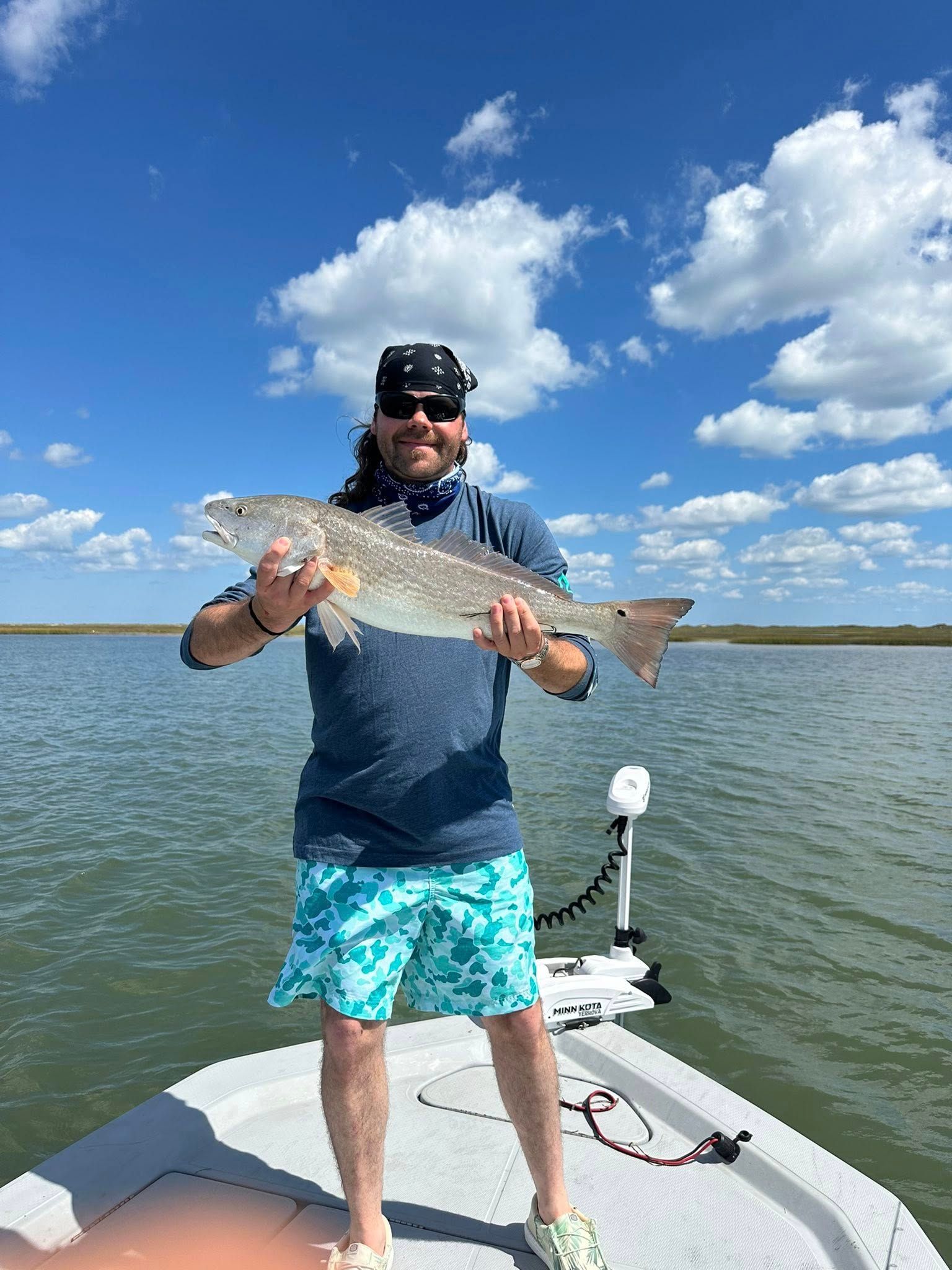
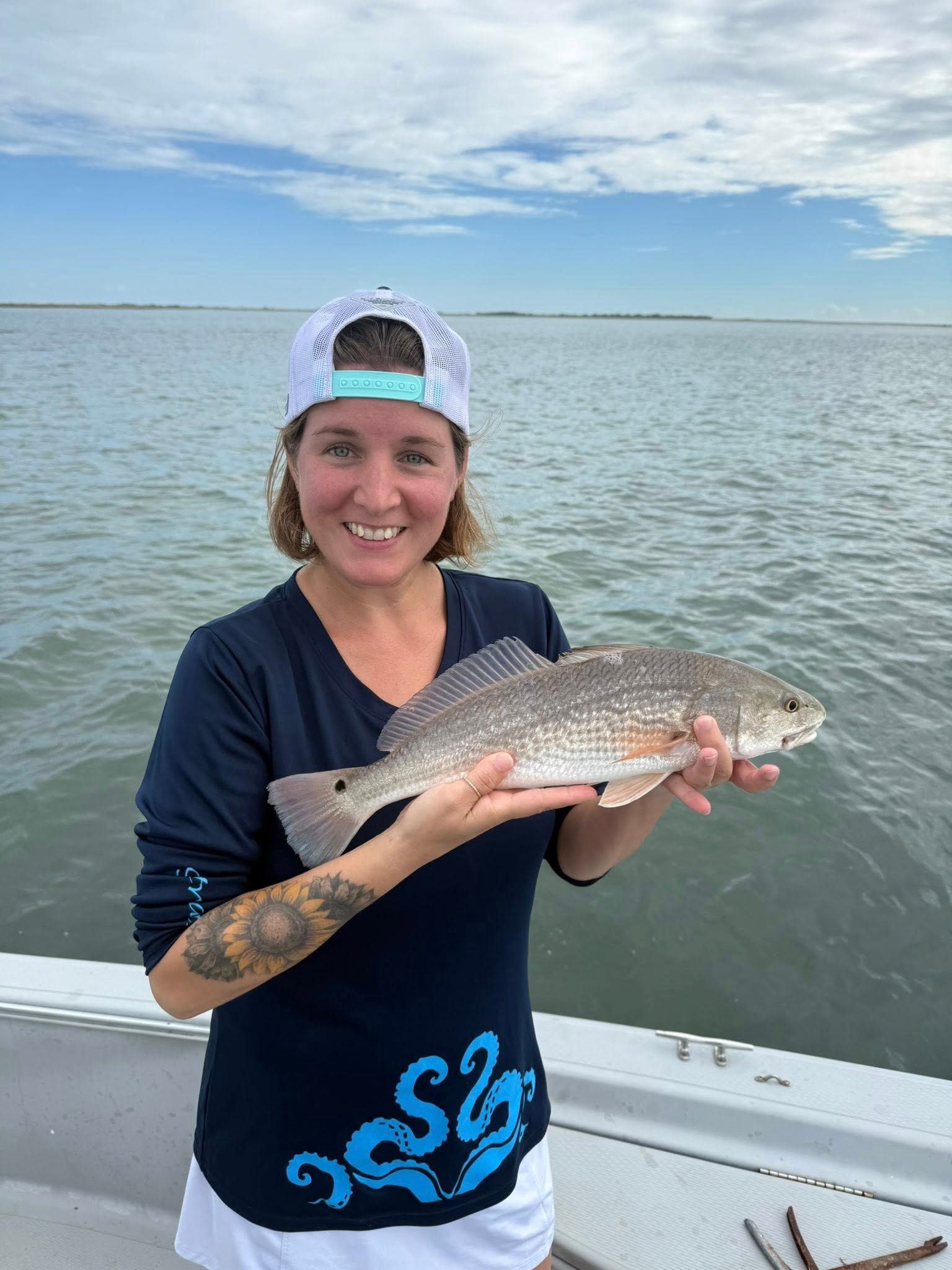
Brad's Saltwater Adventures runs guided inshore trips out of Port Aransas and Aransas Pass. The trips focus on the area's most popular species: Redfish, Speckled Trout, and Black Drum. Depending on the season, Sheepshead or Flounder can also turn up while you drift across the flats or work oyster reefs.
How a Guided Day Is Structured
A charter day is not a random wander around the bay. Your captain picks spots based on the season, the water, and what has been producing, then moves you between them as conditions change. That local knowledge is the main reason people hire a guide instead of heading out alone.
On Captain Brad's trips, your fishing platform is a 19-foot center console. A center console keeps the deck open around the whole boat, so everyone aboard has room to cast and move. That matters when you are learning, because nobody wants to feel boxed into a corner while untangling a line.
Most of the day follows a simple rhythm:
- You meet at the start of your trip and get a short run-through of how the day will go.
- The captain takes you to a first spot, often a flat or an oyster reef.
- You fish, and he adjusts position, depth, or location as the bite changes.
- The boat moves to a new spot whenever the current one goes quiet.
The pace is meant to be relaxed. Captain Brad is known for an easygoing style, and that suits a mixed boat well. A beginner can ask the same question three times without anyone sighing, and a seasoned angler can focus on getting into the right spot at the right time.
Choosing a Trip Length
Brad's Saltwater Adventures offers three inshore trip formats in Port Aransas: a 5-hour morning trip, a 5-hour afternoon trip, and an 8-hour private trip. Which one fits depends on how much time you want on the water and how you like to spend a day.
For a true first-timer, the 5-hour trips are a sensible place to start. Five hours is enough to learn the basics, make plenty of casts, and see how a guided day feels without wearing anyone out. The morning and afternoon options also let you plan around the rest of your day, whether that means breakfast beforehand or dinner after.
The 8-hour private trip gives you a much longer stretch to work with. It suits anglers who want to cover more water, settle into a rhythm, and stay with it past the first couple of spots. If you are bringing a group that is already keen, the extra time gives everyone more chances to fish.
What First-Timers Should Know Before Booking
You do not need to arrive as an expert. Casting is one of the first things a guide will help with, and a good captain expects beginners. Say so when you book, so the day is set up around your experience level.
A few practical questions are worth settling before you pay:
- Which trip length fits your schedule and stamina?
- Who is coming, and how experienced is each person?
- What does the trip include, and what should you bring yourself? Ask the captain directly so nothing surprises you on the dock.
- How does the trip handle weather and rescheduling? Confirm this before you book.
It also helps to know what you want out of the day. Some people care most about a steady bite and a full cooler of memories. Others want to learn technique. Tell the captain which camp you are in, since it shapes how he runs the trip.
Setting Realistic Expectations
Fishing is never guaranteed, and a good guide will tell you that plainly. What a charter does give you is the best possible shot: someone who knows the water, reads the conditions, and puts you in a productive spot. The rest comes down to the fish and a bit of patience.
For a first trip, measure success by more than the catch. If you leave knowing how to cast with confidence, how to read a flat, and what a Redfish or Speckled Trout feels like on the line, the day did its job. Many people find that one good charter turns a casual curiosity into a real hobby.
Port Aransas fishing rewards that curiosity. The mix of bays, flats, and reefs gives you variety within a short boat ride, and the species on offer make for a lively day. Pick a trip length that fits, tell your captain where you stand as an angler, and show up ready to learn. The rest takes care of itself.